









Ponta Negra
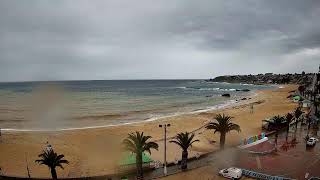
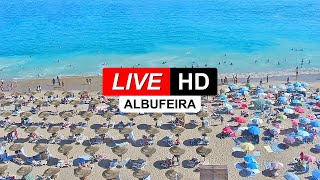
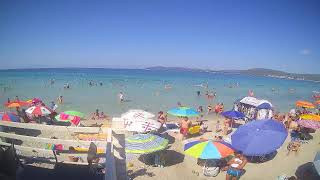
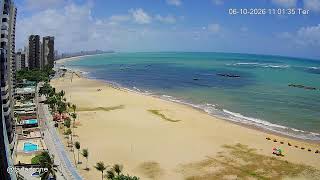
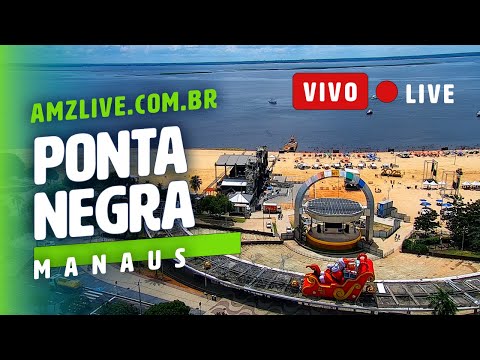
This live webcam offers a panoramic view of Praia da Ponta Negra in Manaus, Amazonas, Brazil, capturing the serene beauty of the urban beach along the Rio Negro. The camera showcases the sandy shoreline, the gently lapping waters of the river, and the surrounding natural landscape, providing a tranquil setting that contrasts with the bustling city life. Ponta Negra is renowned for its revitalized waterfront, which includes pedestrian-friendly walkways, landscaped areas, and recreational spaces, making it a popular destination for both locals and tourists. The beach's location in the upscale Ponta Negra neighborhood reflects the area's high quality of life, with an HDI comparable to that of Switzerland and Australia.
Manaus, Amazonas, Brazil
 BR
BR- Paris of the Tropics
- Manaós
- Manaus, Amazonas
Manaus serves as the capital and largest city within the Brazilian state of Amazonas, situated in the heart of the Amazon rainforest. Located at the confluence of the Negro and Amazon rivers, it acts as the central hub for the Manaus metropolitan area, which stands as the largest in the North Region of Brazil by urban landmass. The city occupies a vast land area of approximately 11,401 square kilometers, positioning it as a major metropolis in northern Brazil and one of only two cities in the Amazon rainforest with over one million inhabitants.
The settlement originated in 1669 with the construction of the Fort of São José do Rio Negro by the Portuguese to secure regional dominance. It was elevated to town status in 1832 as Manaus, derived from the indigenous Manaós people, before being legally transformed into a city named Cidade da Barra do Rio Negro in 1848. The name returned to Manaus in 1856, and the city later experienced significant growth during the late nineteenth-century rubber boom, which established it as one of South America's wealthiest urban centers before its subsequent economic decline.
The architectural character of Manaus reflects its wealthy past, featuring preserved Belle Époque buildings and the grand Teatro Amazonas opera house, which was constructed using materials from Europe. The city is home to the National Institute of Amazonian Research, a key center for scientific studies in the region, alongside various zoological and botanical gardens. Notable landmarks include the Mercado Municipal and the Palacio Rio Negro arts center, while the surrounding area offers access to eco-parks and museums dedicated to regional and native peoples.
Manaus attracts visitors through its unique position as a gateway to the Amazon, offering jungle tours, river expeditions, and wildlife spotting opportunities. The city's cultural heritage is evident in its historic monuments and the legacy of European art and architecture brought by rubber barons. It also holds sporting significance as a host for the 2014 FIFA World Cup and the 2016 Summer Olympics football matches, drawing international attention to its venues and infrastructure during these global events.
The city has an estimated population of 2,303,732 as of 2025, with its economy driven by the Industrial Park of Manaus, a Free Economic Zone that encourages manufacturing and foreign trade. Manaus features a free port and an international airport, facilitating access for both domestic and international travelers. The climate is humid and hot year-round, with temperatures often exceeding 30 degrees Celsius, characterized by two distinct seasons: a rainy period from December to May and a drier season from June to November.
 The EARF Engine