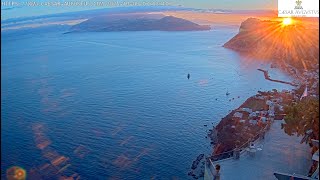

Maia Pia Beach
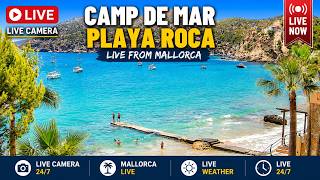
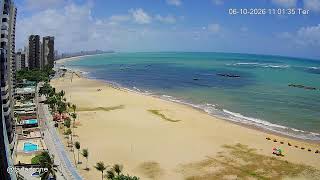
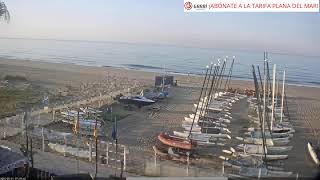
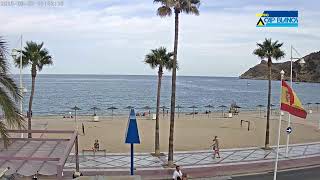
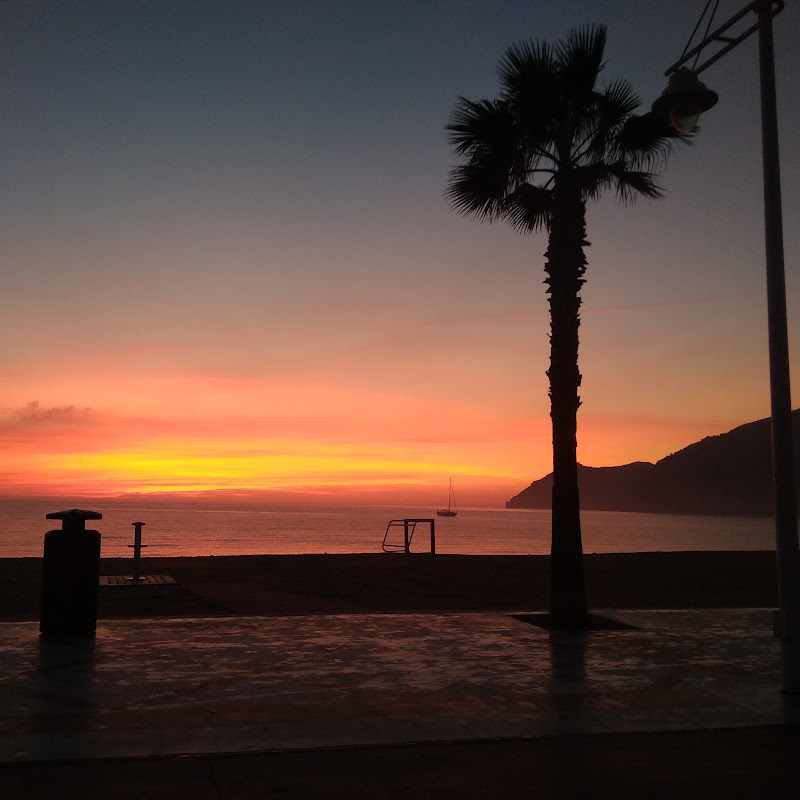
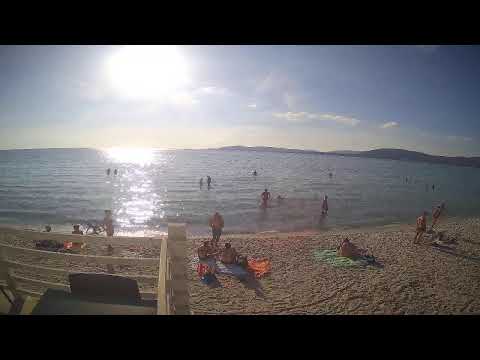
This live beach webcam overlooks the beautiful Maria Pia Beach (Spiaggia di Maria Pia), located just north of Alghero on the north-west coast of Sardinia, Italy. Famous for its soft white sand and crystal-clear turquoise waters, the beach is one of the island's most popular seaside destinations and offers a stunning example of the Mediterranean coastline. Behind the beach, rolling sand dunes blend into a shaded pine forest, creating a peaceful natural setting that is ideal for swimming, sunbathing, and relaxing by the sea. The calm, shallow waters also make Maria Pia Beach a favourite spot for families and visitors looking to enjoy Sardinia's warm climate. From this live webcam, watch the beach come to life throughout the day as visitors stroll along the shoreline, enjoy the clear waters, and take in the spectacular coastal scenery. Whether you're planning a trip to Sardinia or simply enjoying the view from afar, this live stream provides a relaxing window into one of Italy's most picturesque beaches.
Alghero, Sassari, Italy
 IT
IT- l'Alguer
- Alguer
Alghero is a city and comune located in the Metropolitan City of Sassari within the autonomous island region of Sardinia, Italy. Situated on the northwestern coast along the Mediterranean Sea, it occupies a strategic position on a bay named after the city itself. The urban area extends into the Nurra plain to the north and is bordered by karstic systems such as Capo Caccia and Punta Giglio to the northwest. As a significant municipal entity in the region, it serves as the third university center on the island, hosting the headquarters of the Università degli Studi di Sassari's Architecture and Design department.
The area has been settled since pre-historic times, with evidence of the Ozieri culture and Nuraghe civilization. The Phoenicians established a metalworking town called Sant'Imbenia in the eighth century BC. Alghero was developed into a fortified port by the Genoese Doria family around 1102, ruling for centuries until the Crown of Aragon conquered it under Peter IV. The Aragonese actively promoted colonization by sending families from Catalonia and Valencia, who replaced much of the original population. This era established the city's unique linguistic heritage, which remains officially recognized today.
The historic center features well-preserved Catalan medieval architecture and a rampart system expanded in the sixteenth century by Ferdinand the Catholic. Key landmarks include Alghero Cathedral, which blends Catalan-Gothic and Renaissance styles, and the church of St. Francis. The city is also known locally as Barceloneta due to its ancestral ties with Barcelona. Surrounding the urban area are numerous archaeological sites, including the Anghelu Ruju necropolis and the Villa Romana of Santa Imbenia, alongside natural attractions like Neptune's Grotto and the beaches of La Pelosa.
Alghero is renowned for its blend of Catalan and Sardinian cuisine and a vibrant arts scene featuring original compositions in Algherese Catalan. The city attracts visitors seeking its atmospheric narrow lanes, excellent seafood restaurants, and historic monuments. Its cultural identity is deeply rooted in the Catalan dialect spoken by a significant portion of the population, which has seen a revival since gaining official recognition in 1997. The combination of coastal beauty, historical depth, and distinct linguistic traditions makes it a popular tourist destination.
As of 2024, the population is 42,281, making it the fifth-largest city in Sardinia. The climate is mild due to the sea's influence, with warm summers and winters that rarely drop below freezing. Access is facilitated by Alghero-Fertilia Airport, the third busiest in Sardinia, and regional bus connections to Sassari and other towns. The railway station connects to Sassari for further travel, while the city offers free parking in the old town. Its economy benefits significantly from tourism, supported by its well-preserved patrimony and natural beauties.
 The EARF Engine