
Rhine River
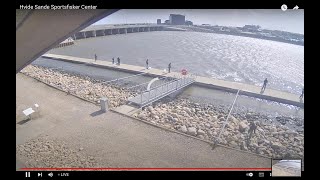
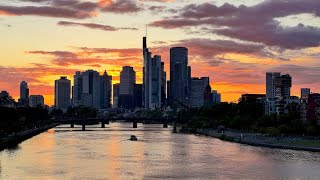
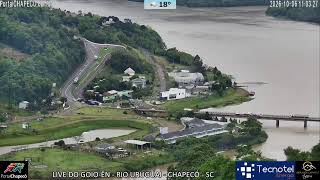
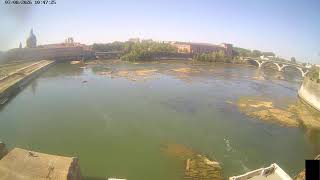
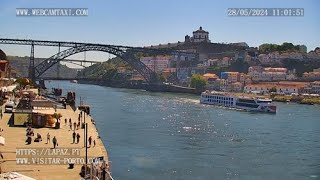
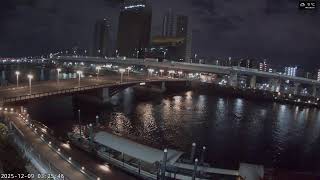
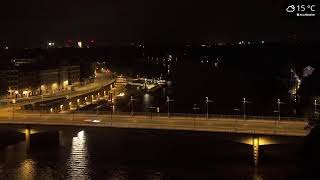
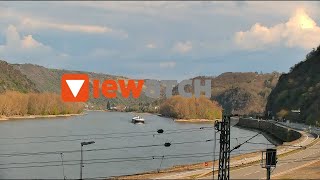
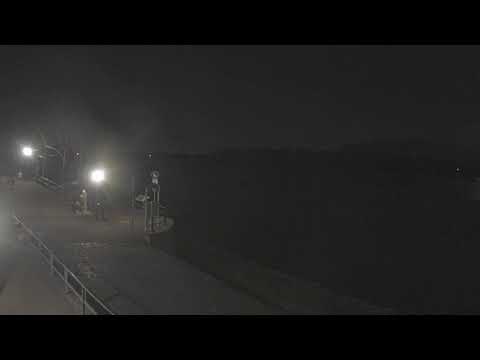
This live stream shows the scenic Rhine River as it flows through Rees, the oldest town on the Lower Rhine. The camera captures the tranquil waters of the river, framed by the picturesque Rees promenade, which is adorned with sculptures by renowned German artists. Viewers can observe boats gliding along the river and people enjoying walks, jogs, or bike rides along the path. The backdrop features the charming town of Rees, known for its rich history and cultural heritage.
Rees, North Rhine-Westphalia, Germany
 DE
DERees is a town situated in the district of Kleve within the German state of North Rhine-Westphalia. It lies on the right bank of the Rhine River, positioned approximately twenty kilometers east of the city of Kleve. The municipality serves as an administrative center for its surrounding region and is bordered by neighboring municipalities including Isselburg to the north, Hamminkeln and Wesel to the east, Xanten to the south, and Kalkar and Emmerich to the west.
The town's origins trace back to a Frankish settlement established between five hundred and eight hundred AD, with its name likely derived from the Kleverlandish term for willow grove. Rees was officially granted municipal rights on July fourteenth, twelve hundred twenty-eight by Heinrich I von Müllenark, Archbishop of Cologne, making it the oldest town in the lower Rhine area. It subsequently became part of the County of Cleves and later the Kingdom of Prussia, evolving through various military occupations and political shifts over centuries.
Administratively, Rees is organized into eight communities, including Esserden, Haldern, and Millingen. The town features well-preserved medieval fortifications, such as the White Tower built in fourteen ten and the Mühlenturm windmill from fourteen seventy. Key landmarks include the Koenraad-Bosman-Museum, the classicist Saint Mary's Ascension church, and a sculpture park founded in two thousand three. The Jewish cemetery, established in the early eighteenth century, remains a significant historical site despite damage during the war.
Cultural attractions draw visitors from the Netherlands, Münsterland, and the Ruhr Area. The town hosts the Haldern Pop festival every August in the community of Haldern, attracting international indie music artists. Annual traditions include the Pumpenkirmes, celebrating historic water pumps, while the Rhine promenade offers dining and boat tours. The area also supports sports facilities used by national teams and provides access to bicycling routes and motorhome parks along the riverbank.
Rees had a population of twenty-one thousand nine hundred thirteen as of two thousand twenty-four. The town is accessible via the Autobahn A3 and connected by rail through Empel-Rees station, with nearby airports at Düsseldorf and Weeze. Its economy benefits from tourism and its strategic location on the Rhine, which facilitates transport via ferries and waterways. The climate supports outdoor activities year-round, with peak visitor seasons aligning with cultural festivals and summer holidays.
 The EARF Engine