

Shibuya-ku, Tokyo, Japan
 JP
JP- Shibuya
- Shibuya ward
- 渋谷区
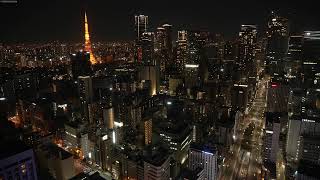
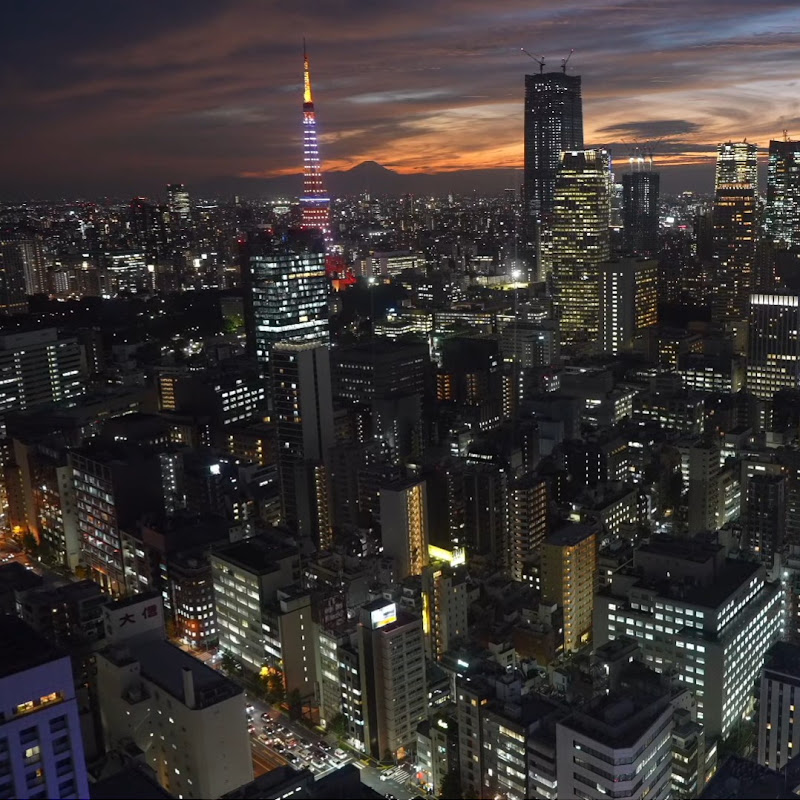
Shibuya-ku is a special ward located in Tokyo, Japan, functioning as a major commercial center within the capital's administrative framework. Situated at coordinates 35.6594 N, 139.7006 E, it covers a total area of 15.11 square kilometers. The ward serves as a critical hub for transportation and commerce, housing two of the busiest railway stations in the world: Shibuya Station and the southern half of Shinjuku Station.
The area acquired its name after coming into the possession of the Shibuya clan in the early 1160s. Following their defeat by the Later Hōjō clan in 1524, the region prospered during the Edo period as a town on Oyama Road and later as a Hanamachi in the Meiji era. It was incorporated as a ward in Tokyo City on October 1, 1932, and became an urban special ward under the Local Autonomy Act in 1947.
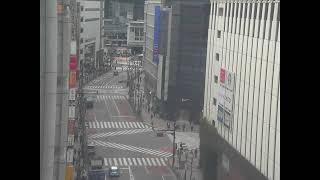
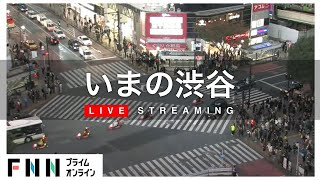
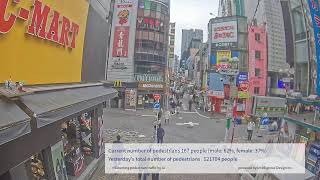
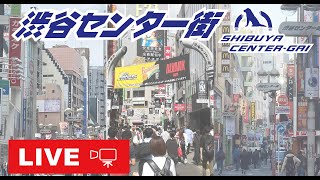
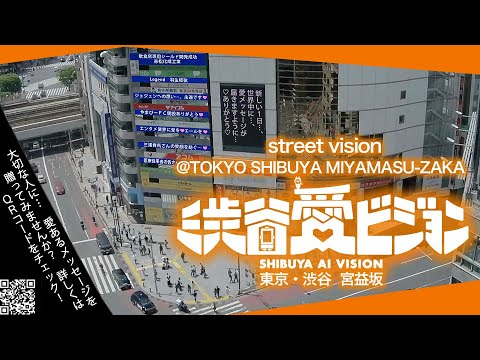
Notable neighborhoods include Harajuku, Ebisu, Omotesandō, Yoyogi, and Sendagaya. The district is defined by its bustling commercial atmosphere and significant redevelopment projects initiated around Shibuya Station since 2010. Key landmarks feature the internationally recognized Shibuya Crossing, the panoramic views from Shibuya Scramble Square, and the statue of Hachikō, which stands as a popular meeting point in Hachikō Square.
Shibuya emerged as a hub for youth culture in the 1970s, overtaking Shinjuku due to competition between Seibu and Tokyu to develop commercial centers. This appeal spread to surrounding neighborhoods like Harajuku. The area is also known for Shibuya-kei, a microgenre of pop music that became mainstream in the mid-1990s. Its vibrant shopping districts and nightlife attract significant numbers of young people and tourists.
As of January 1, 2024, the ward has an estimated population of 230,609 in 142,443 households, with a density of 15,262.01 people per square kilometer. The local government is led by Mayor Ken Hasebe and a city assembly of 34 members. Transport access includes the Narita Express from Narita Airport and extensive railway networks, while large-scale redevelopment projects are scheduled for completion in fiscal year 2034.
 The EARF Engine