Live stream unavailable
This camera is offline or temporarily unavailable. It may be under maintenance, having technical trouble, or it may have been removed by the provider. Listings are monitored continuously and this page updates when the stream returns.

Pompplein Centre
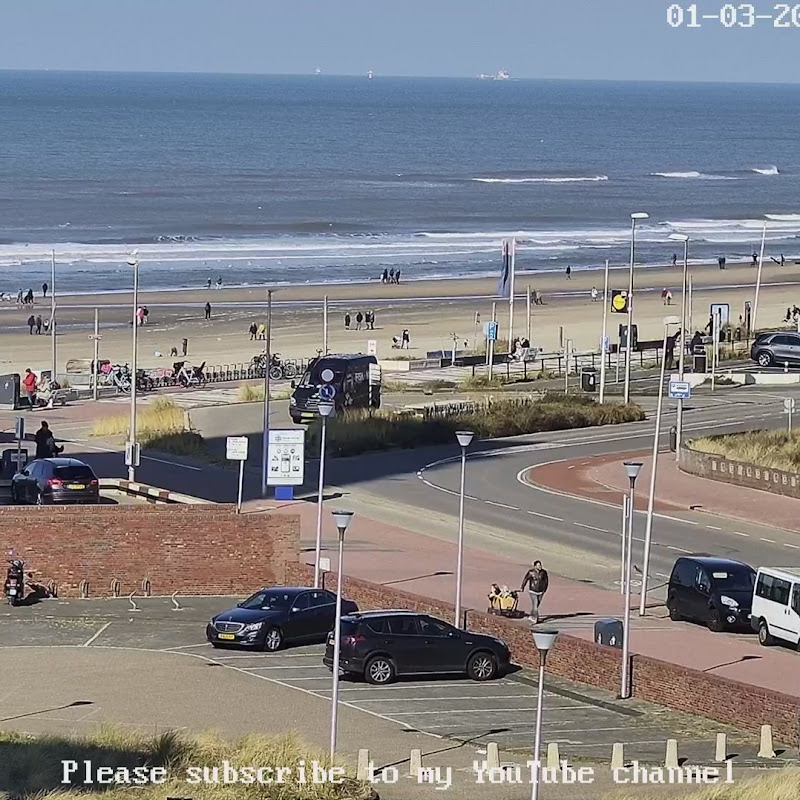
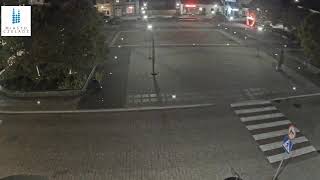
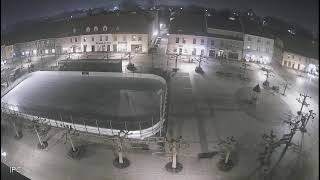
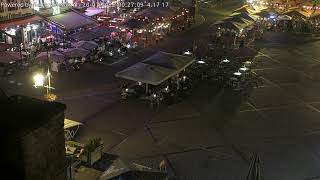
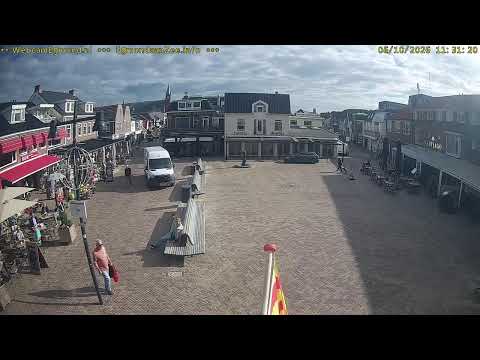
This live webcam shows Pompplein (Pump Square) in Egmond aan Zee, Netherlands — a lively coastal square known for its cafes, summer festivals, and relaxed seaside atmosphere. Located in the heart of the village, it also features an underground reservoir that helps manage local rainwater runoff.
Egmond aan Zee, North Holland, Netherlands
 NL
NL- Egmont-op-Zee
Egmond aan Zee is a village situated on the North Sea coast within the Dutch province of North Holland. It lies approximately nine kilometers west of Alkmaar, nestled among the coastal dunes that characterize this region of the Netherlands. Administratively, the village is part of the municipality of Bergen, having been amalgamated into it on January 1, 2001, after previously forming the separate municipality of Egmond from 1978 until that date.
According to legend, the village was founded around 977, with settlers battling the sea from the earliest days of habitation. The community faced significant maritime disasters, including the loss of fifty houses during the All Saints' Flood of 1570 and the swallowing of thirty-six houses and the church tower in November 1741. These events underscored the dangerous yet vital relationship between the inhabitants and the ocean.
The village is defined by its fishing heritage, featuring tiny fishermen-houses near the sea and a monument dedicated to those who worked the waters. The Prins Hendrik Stichting, a stately building named after a Dutch prince, once housed retired fishermen. The Jan van Speijk Lighthouse, built in 1834 and named after a Dutch sea captain, serves as the central landmark and focal point of the village's coastal identity.
Egmond aan Zee has been a popular seaside resort since the early twentieth century, known for its healthy sea air and attracting children to colony houses run by charities. It historically hosted an artists' colony beginning in 1881, drawing figures like George Hitchcock and Gari Melchers. The village also hosts the annual Egmond Half Marathon and the Finder Darts Masters, adding cultural vibrancy to its seaside appeal.
In 2001, the town had a population of 5086 inhabitants within a built-up area of 0.85 square kilometers containing 2490 residences. The local economy has traditionally relied on fishing, while tourism and events now play significant roles. Access is facilitated by its location near Alkmaar, and the village remains a calm seaside destination for visitors seeking both historical context and coastal relaxation.
 The EARF Engine