
Lausanne, Vaud, Switzerland
 CH
CH- Olympic Capital
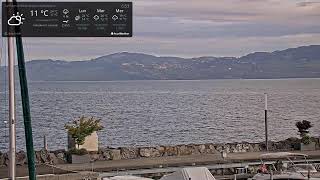
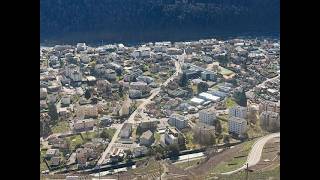
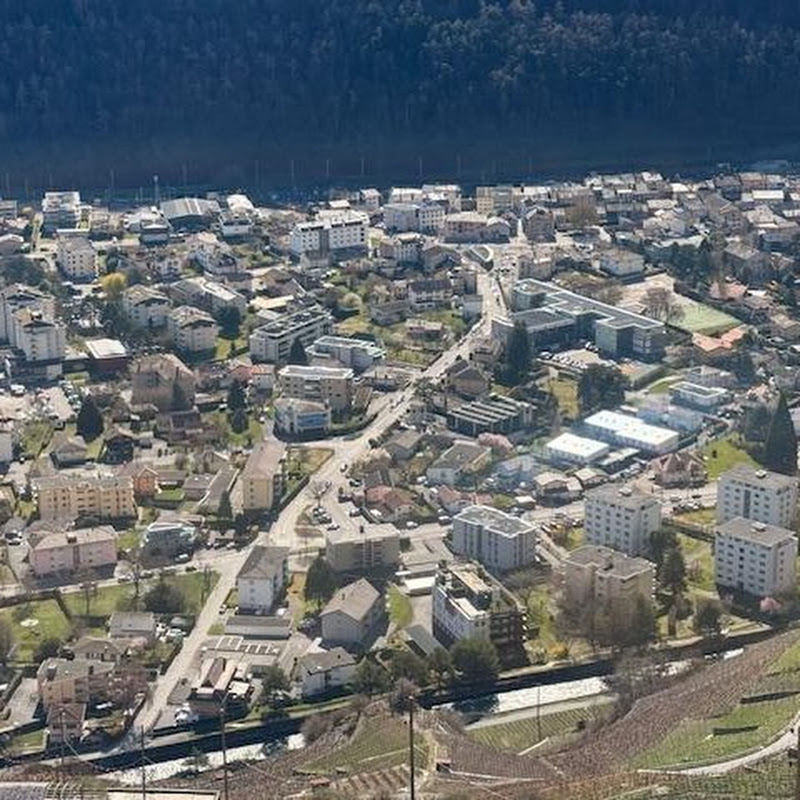
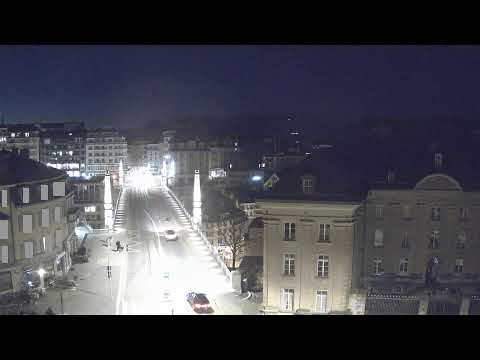
Lausanne serves as the capital and largest city of the Swiss French-speaking canton of Vaud. Situated on the southern slope of the Swiss plateau, it occupies a hilly position on the shores of Lake Geneva, facing the French town of Évian-les-Bains. The city lies approximately halfway between the Jura Mountains and the Alps, about 51.7 kilometres northeast of Geneva. It functions as the public transport hub for Vaud and acts as a gateway to the alpine Canton of Valais.
The site was initially a Celtic settlement before the Romans built a military camp called Lousanna near the lake. Insecurity in the fourth century forced residents to move to a more defensible hilltop, where it became ruled by the County of Savoy and the Bishop of Lausanne. After periods under Upper Burgundy and Bernese domination, it joined the Swiss Federation in 1803 as the capital of the newly formed canton of Vaud.
The city is characterized by dramatic elevation changes between the lakeshore at Ouchy and its northern edge. Its centre features the ancient Flon river gorge, now covered, with a metro station named for it. Lausanne boasts the best-preserved Gothic cathedral in Switzerland and lies within noted wine-growing regions of Lavaux and la Côte. The urban landscape includes distinct neighbourhoods like Vidy and Cour, alongside industrial suburbs such as Renens.
Recognized as the Olympic Capital since 1994, Lausanne hosts the International Olympic Committee and the Court of Arbitration for Sport. It is home to two major universities and over twenty museums, including the Olympic Museum and the Collection de l'Art Brut. The city has historically attracted writers and artists, from T.S. Eliot to Ernest Hemingway, and recently launched Plateforme 10, an art district comprising three significant museums in June 2022.
Lausanne has a population of 144,873 as of 2024. It possesses the smallest city rapid transit system in the world with twenty-eight stations. The climate features an average of 119.7 days of rain annually, with May being the wettest month and February the driest. The metropolitan area is the fastest growing in Switzerland, supported by a diverse economy and international institutions.
 The EARF Engine