








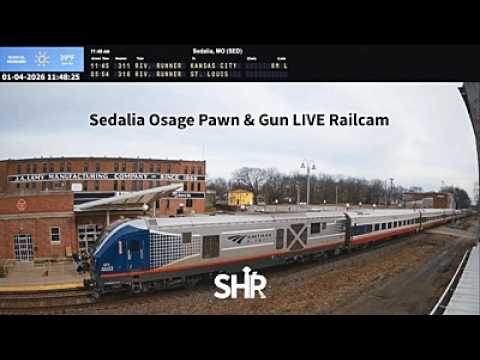


Sedalia, Missouri, United States
 US
US- Sedalia, Missouri
- Sedalia, MO
Sedalia is a city situated in Pettis County, Missouri, within the United States. It lies approximately thirty miles south of the Missouri River and serves as the county seat for the region. As the principal city of the Sedalia Micropolitan Statistical Area, it holds significant administrative importance in north-central Missouri. The city occupies a strategic geographic position that has historically influenced its development and economic ties to surrounding areas.
Founded by General George Rappeen Smith in 1857, the settlement was originally named Sedville before being renamed Sedalia upon incorporation in 1860. Its early prosperity was driven by the railroad industry, becoming a vital railhead for cattle drives in the late nineteenth century. During the Civil War, Sedalia functioned as an active military post and theater of operations, which accelerated its growth despite periods of conflict and disruption in the region.
The city is defined by its rich musical heritage and historic architecture, particularly its association with ragtime composer Scott Joplin. Landmarks include the Bothwell Lodge State Historic Site and the Daum Museum of Contemporary Art. The former Missouri-Kansas-Texas Railroad right-of-way has been converted into the KATY Trail, a major multi-use path for recreation. Whiteman Air Force Base also remains a prominent feature in the local landscape.
Sedalia attracts visitors through its cultural festivals and historical sites, most notably the Scott Joplin International Ragtime Festival and the Missouri State Fair. The city celebrates its musical legacy and frontier history, drawing enthusiasts of ragtime music and American heritage. These events highlight the town's unique identity as a center for artistic expression and historical preservation in the Midwest.
As of the 2020 census, Sedalia had a population of 21,725 residents. The economy has transitioned from its railroad roots to include manufacturing and military bases, maintaining stability near its mid-twentieth-century peak. Accessible via U.S. Routes 50 and 65, and served by Amtrak's Missouri River Runner, the city offers convenient transportation links for travelers exploring the region.
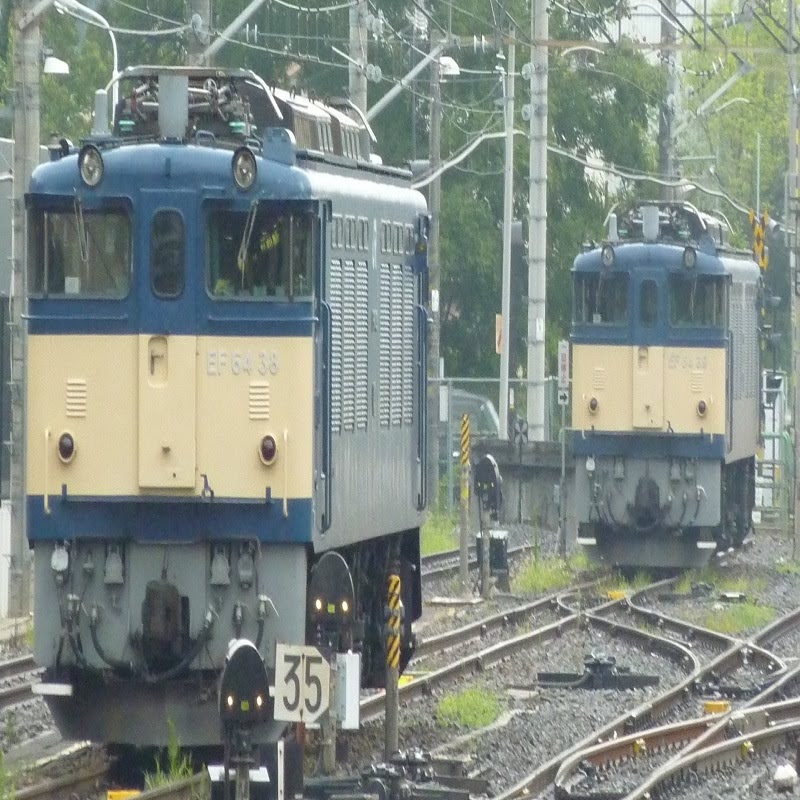
 The EARF Engine