
Urtijëi, South Tyrol, Italy
 IT
IT- Sankt Ulrich in Gröden
- Ortisei
- St. Ulrich in Gröden
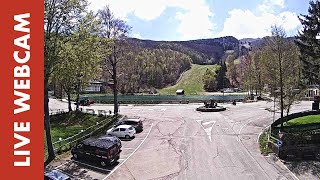
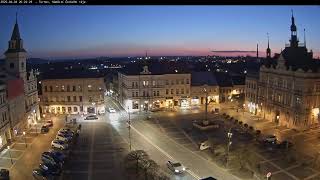
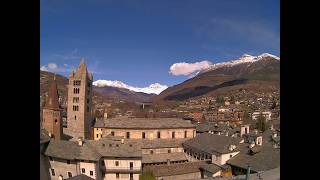
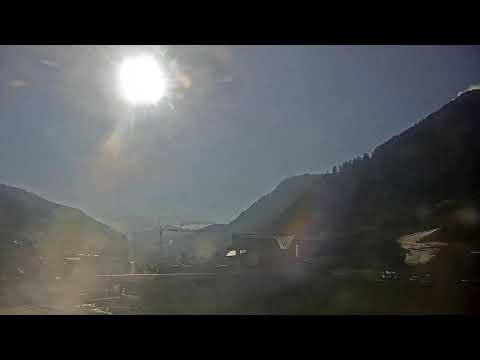
Urtijëi is a town situated in South Tyrol, northern Italy, occupying the central position within the Val Gardena valley of the Dolomites. It serves as the main settlement for this region and acts as the administrative seat for a school district managing Ladin-language education. The municipality covers 24.25 square kilometers on the northern side of the valley, bordered by Kastelruth, Villnöß, Lajen, and Santa Cristina Gherdëina.
The settlement derives its name from a farmstead documented in the 13th century, with the German name St. Ulrich referencing the local Catholic parish dedicated to the patron saint. From the 17th century, the population engaged in woodcarving and sacred sculpture, establishing an international reputation for arts and crafts. Economic growth accelerated between 1860 and 1914 following road connections to the main railroad, while winter tourism gained momentum in the late 19th century.
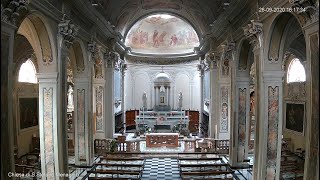
The town features neoclassical and baroque architecture, including the Parish Church of Urtijëi and the ancient Church of St. Jacob with Late-Gothic frescoes. Notable landmarks include the Museum Gherdëina, which houses geological finds and wooden sculptures, and Villa Venezia, the former home of sculptor Johann Baptist Moroder. The area is defined by its proximity to the Geisler Group and the Seiser Alm plateau.
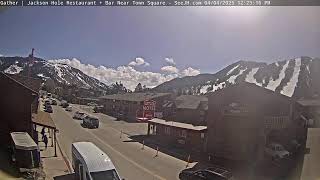
Urtijëi is renowned for its Ladin heritage and historic woodcarving industry, which remains a key cultural element alongside modern tourism. Visitors are drawn to the town for skiing and hiking in the surrounding Alps, with the 1970 Alpine Ski World Championships held locally. The community maintains strong artistic traditions through institutions like the art high school Cademia and various specialized libraries.
The population was recorded as 4,793 in 2023. The economy relies primarily on winter skiing, summer hiking, and woodcarving. Access is provided by SAD buses from Bolzano and trains to Waidbruck, with local transport including the La Curta escalators and cable cars to Seceda and Seiser Alm. The town offers year-round appeal due to its alpine setting and cultural sites.
 The EARF Engine