










Baggs Town
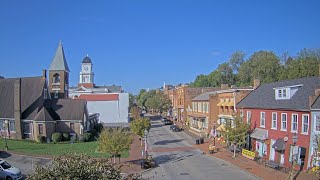
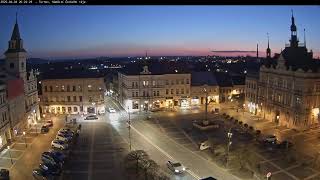
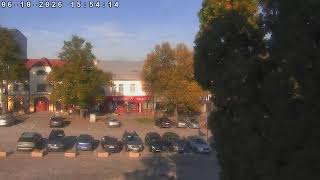
This live HD webcam provides a real-time view of Baggs, a small and peaceful town in Carbon County, Wyoming. The stream looks over Penland Street, the town’s main road running north to south through its quiet center. With a population of just over 400, Baggs offers a glimpse into classic small-town life, surrounded by the natural beauty of the Snake River Valley—an area known for its wildlife and scenic landscapes.
Baggs, Wyoming, United States
 US
USBaggs is a small incorporated town located in Carbon County, Wyoming, within the United States. Situated approximately three miles north of the Colorado state line, it lies seventy-seven miles southwest of Rawlins, which serves as the county seat. The municipality occupies a total area of 0.51 square miles, consisting entirely of land, placing it in a distinct geographic position along the northern border of the state.
The community was officially incorporated in 1910, marking its formal establishment as a municipal entity. This incorporation solidified its administrative role within Carbon County, allowing for local governance structures to develop over the subsequent decades. The town has maintained its status as a recognized municipality throughout the twentieth and twenty-first centuries, evolving alongside regional changes.
The town features a public library that operates as a branch of the Carbon County Library System, providing community resources to residents. Its built environment includes residential areas and civic infrastructure managed by a mayor and a three-member town council. The local government structure ensures administrative oversight for the compact geographic footprint of the settlement.
Cultural attractions include the Outlaw Stop, which functions as a branch of the Little Snake River Museum headquartered in Savery. This site offers historical interest related to the region's past. Public education is provided by Carbon County School District Number 1, with the Little Snake River Valley School serving as the local K-12 campus for students in the area.
The population was recorded at 411 in the 2020 census, reflecting a slight decline from previous decades. The climate is classified as humid continental, characterized by large seasonal temperature differences with warm summers and cold winters. This weather pattern influences the local environment and daily life for the residents who call this border town home.
 The EARF Engine